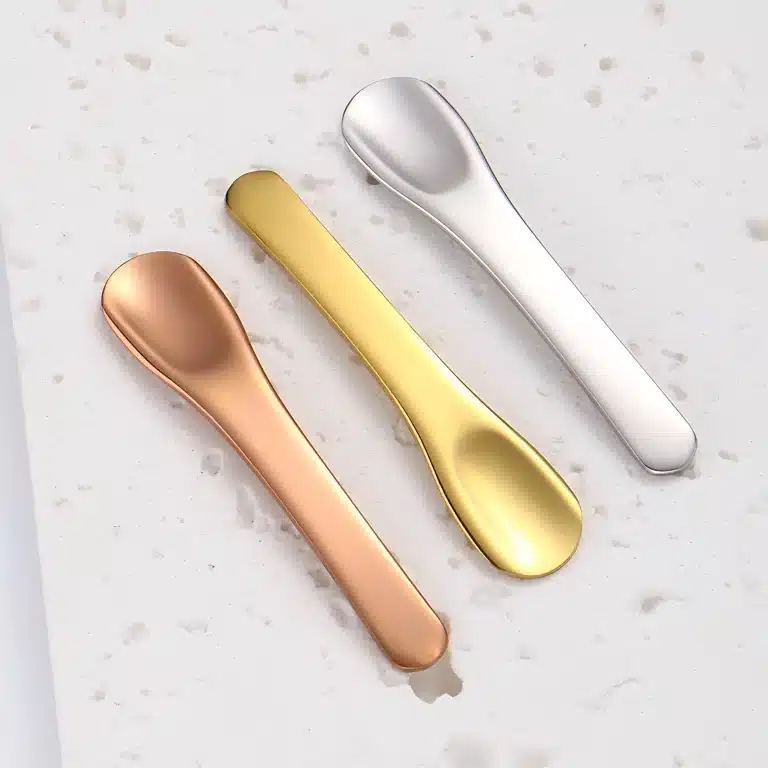
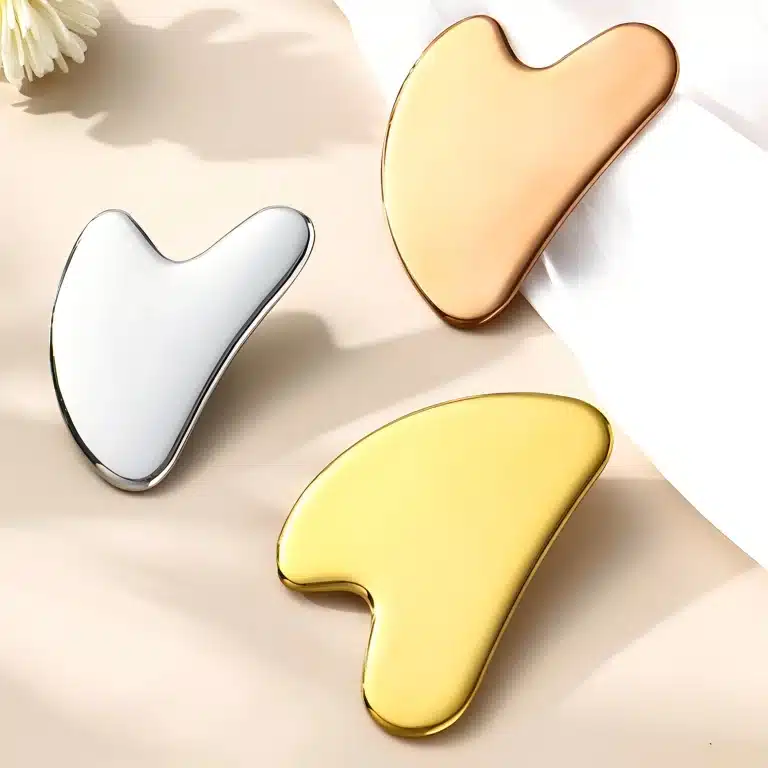
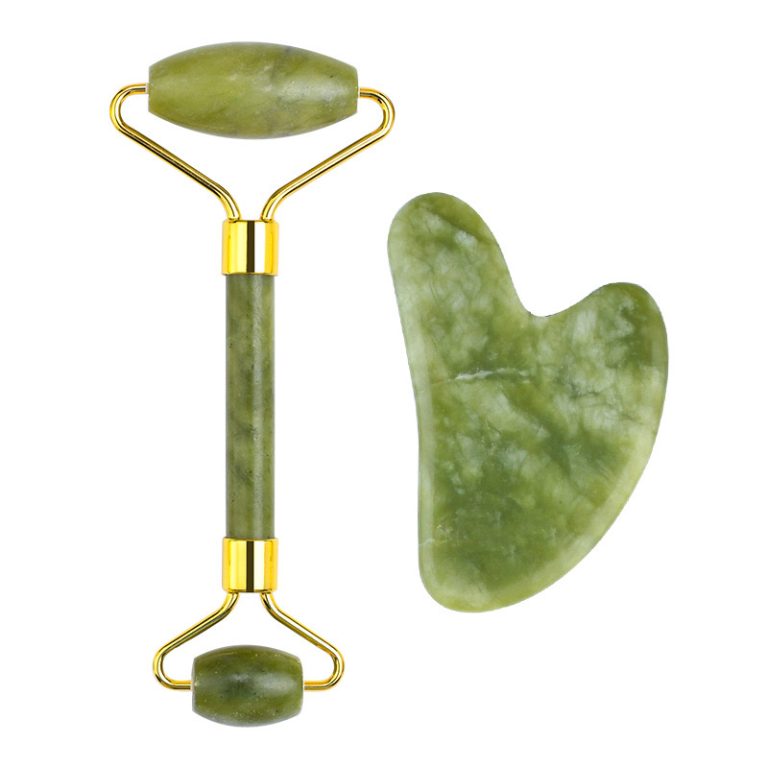
Custom logo gua sha projects usually move slowly when buyers ask for “logo and packaging” without defining which gua sha family, which logo position, or what kind of sample is actually needed. For a supplier, the quote path is different when the request is for a simple engraved stainless steel piece versus a gift-box set with insert card, barcode label, and carton mark.
If your brand is comparing stainless steel gua sha wholesale or broader gua sha tools, start by separating three decisions: product shape, logo method, and packaging level. That makes the sample plan and MOQ discussion much easier to control.
Custom Logo Gua Sha Planning Table
| Decision area | What buyers should confirm | Why it matters |
|---|---|---|
| Product family | Stainless steel, natural stone, or mixed set format. | The base material affects logo method, packaging fit, and QC checkpoints. |
| Logo position | Product surface, pouch, box, insert card, barcode label, or carton mark. | Each added logo position increases artwork review and sample scope. |
| Packaging level | Velvet pouch, paper box, rigid gift box, tray insert, care card. | Packaging can change the practical MOQ more than the tool itself. |
| Sample goal | Plain sample, logo sample, or full pre-production packaging sample. | The supplier needs to know what the sample is supposed to validate. |
| Bulk QC | Finish, edge comfort, engraving accuracy, box fit, barcode, and export carton marks. | A clear QC checklist reduces rework during production and reorder cycles. |
Start With the Right Gua Sha Base
For most private label buyers, stainless steel gua sha is the easiest place to start because laser engraving is durable and the material is stable during repeated sample handling. Natural stone gua sha can also support custom projects, but the buyer should expect more variation in color, veining, and edge appearance from one piece to another.
If the project needs a clean engraved logo and a repeatable retail look, stainless steel often gives the most predictable path. If the retail story depends on stone color and wellness styling, the buyer should spend more time on sample photos and acceptable variation standards before confirming bulk production.
Laser Engraving vs Packaging Branding
Many custom logo gua sha inquiries treat product engraving and packaging artwork as the same task, but they should be quoted separately. The product logo depends on the tool material, finish, and available print area. Packaging branding depends on the box structure, insert design, pouch material, artwork colors, barcode placement, and any care card or instruction content.
For a first RFQ, list the exact logo positions you need: product engraving only, product plus pouch, product plus box, or a full retail pack with insert card and carton label. If the project also needs a retail-ready box, review the custom logo and packaging workflow together with the gua sha packaging guide. This prevents buyers from approving a product sample that later does not fit the target package.
Sample Approval Workflow for Private Label Buyers
The fastest path is to define what each sample round should prove. A plain sample checks shape, weight, edge comfort, and general finish. A logo sample checks the engraving position, size, and visual effect on the actual surface finish. A full pre-production sample checks the complete retail presentation, including pouch, box, insert, barcode, and outer carton label.
When buyers skip this staging, the “sample approved” message often becomes unclear. One side may mean the tool shape is approved, while the other side assumes the full package is approved. Documenting the sample purpose prevents that mismatch.
Bulk QC Points Buyers Should Lock Early
For custom logo gua sha orders, the final inspection should cover more than the tool itself. Buyers should confirm surface finish consistency, edge smoothness, logo position, engraving readability, packaging fit, insert card text, barcode labels, carton marks, and color consistency for any plated finish or printed box used in the final set.
This matters even more for gift-box programs, because the retail box often becomes part of the buyer’s shelf story. If the package arrives dented or the insert does not hold the tool correctly, the product can fail retail expectations even when the gua sha itself is acceptable.
Buyer Checklist Before RFQ
- Choose the gua sha family and identify whether the first order is stainless steel, natural stone, or a mixed set.
- List the exact logo positions needed on the product, pouch, box, insert, and carton.
- Confirm whether the first sample should be plain, logo-only, or a complete packaging sample.
- Prepare reference images for the target package and the target retail presentation.
- Share quantity range, destination country, and target launch timing so MOQ and lead time can be discussed realistically.
FAQ for Custom Logo Gua Sha Projects
What is the best logo method for stainless steel gua sha?
Laser engraving is usually the most practical method for stainless steel gua sha because it is durable, clear, and suitable for repeated handling during sample review and retail use.
Does packaging affect MOQ for custom logo gua sha?
Yes. A simple pouch program is different from a rigid gift box with insert card, printed artwork, and barcode labeling. The packaging structure can change both the sample path and the practical MOQ.
Should I approve the product first or the full package first?
Approve in stages. First confirm the tool shape and finish, then confirm the logo effect, then approve the complete pre-production package if the order includes custom packaging.
What should a buyer check during bulk QC?
Check surface finish, edge comfort, engraving placement, packaging fit, barcode accuracy, carton labels, and whether the retail box still looks correct after transport handling.
Preparing a custom logo gua sha RFQ? Send your target shape, quantity range, logo file, packaging reference, and launch market through the RFQ form so the YITHONIA team can review a practical sample and production path.